👇 Classification | Causes | Symptoms | Prevention | Physiotherapy | Treatment | Tips | Case 👇
📖 What Is Cervical Spondylolisthesis?
In simple terms, one vertebral body in the neck slips forward over the one below it, causing nerve compression or instability, which leads to pain and functional limitations.
1️⃣ Classification
Grade I (≤25%): Mild slippage, usually without significant instability
Grade II (26–50%): Moderate, may cause neck pain and radiating symptoms
Grade III (51–75%): Severe, with more pronounced neurological symptoms
Grade IV (76–100%): Very severe, near dislocation
2️⃣ Causes
👉 Degeneration: disc degeneration, facet joint laxity
👉 Prolonged sitting: poor posture, habitual neck twisting
👉 Acute injury: trauma or excessive extension causing ligament damage
👉 Post-surgical instability: failure of internal fixation after cervical surgery
3️⃣ Symptoms
👉 Pain worsens with neck extension
👉 Numbness or tingling in the right upper limb
👉 Pulling sensation during neck flexion or side bending
👉 Stiffness in the scapular and upper back muscles
4️⃣ Prevention
👉 Ergonomics: keep screen at eye level, maintain neutral cervical posture
👉 Regular movement: take breaks every 45 minutes with gentle neck mobility
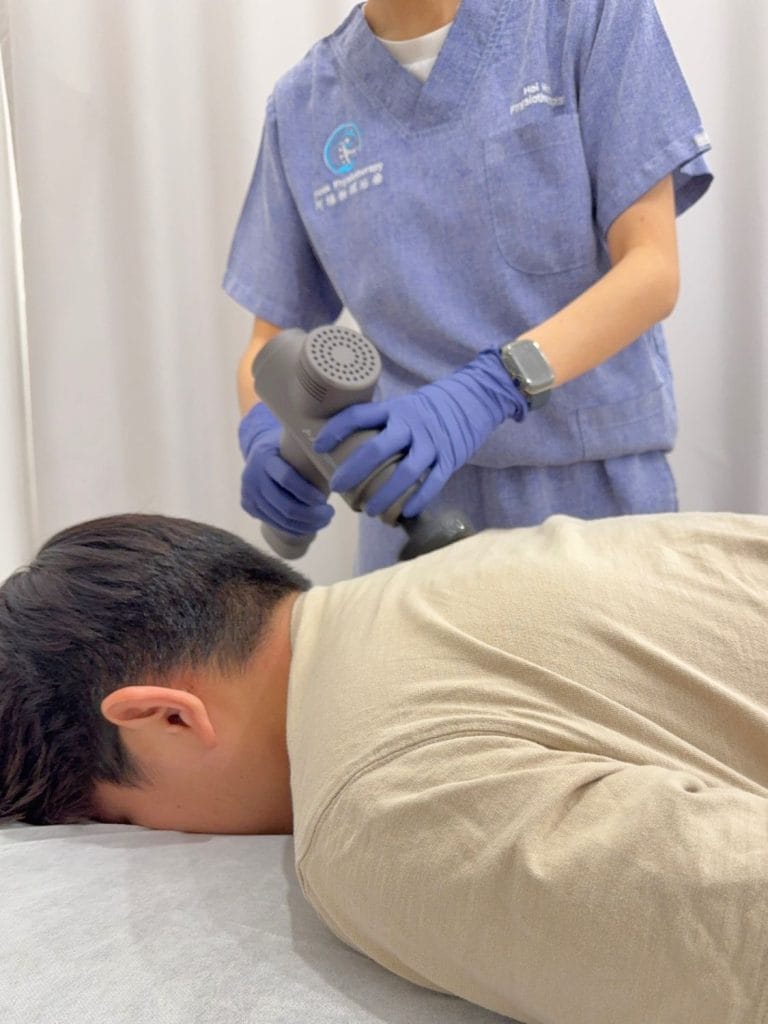
👉 Self-release: use massage ball/gun for upper trapezius and SCM
👉 Core stability: train transverse abdominis and deep neck flexors for global stability
5️⃣ Physiotherapy Focus
1. Acute Phase
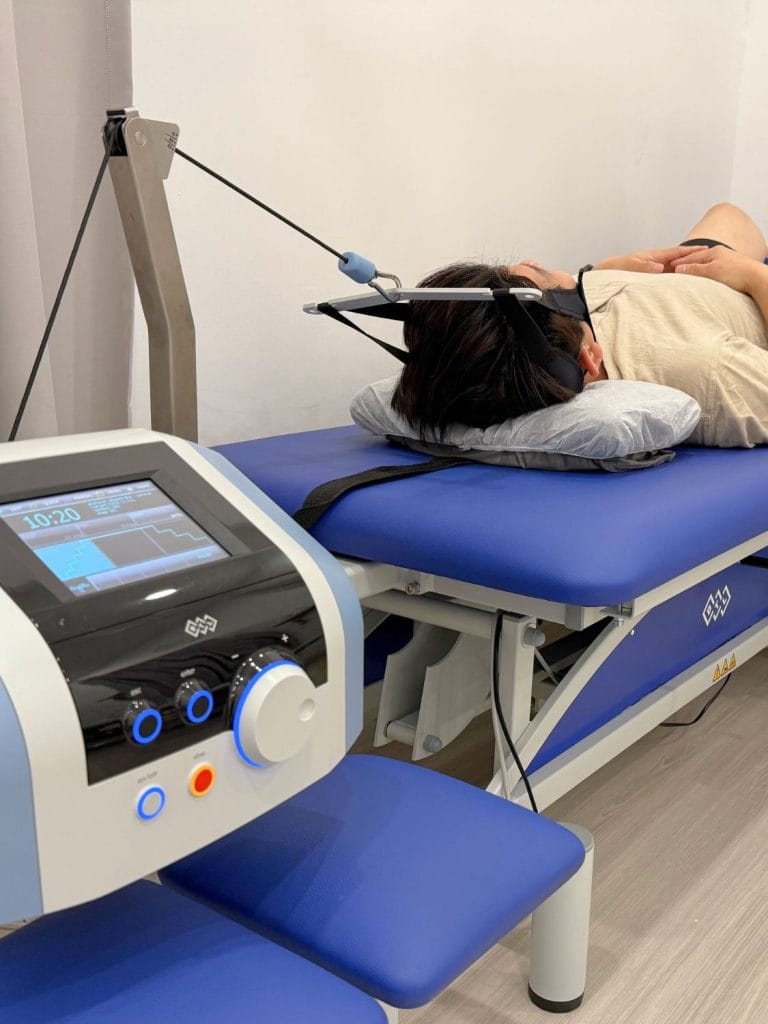
👉 Mechanical traction to reduce compression
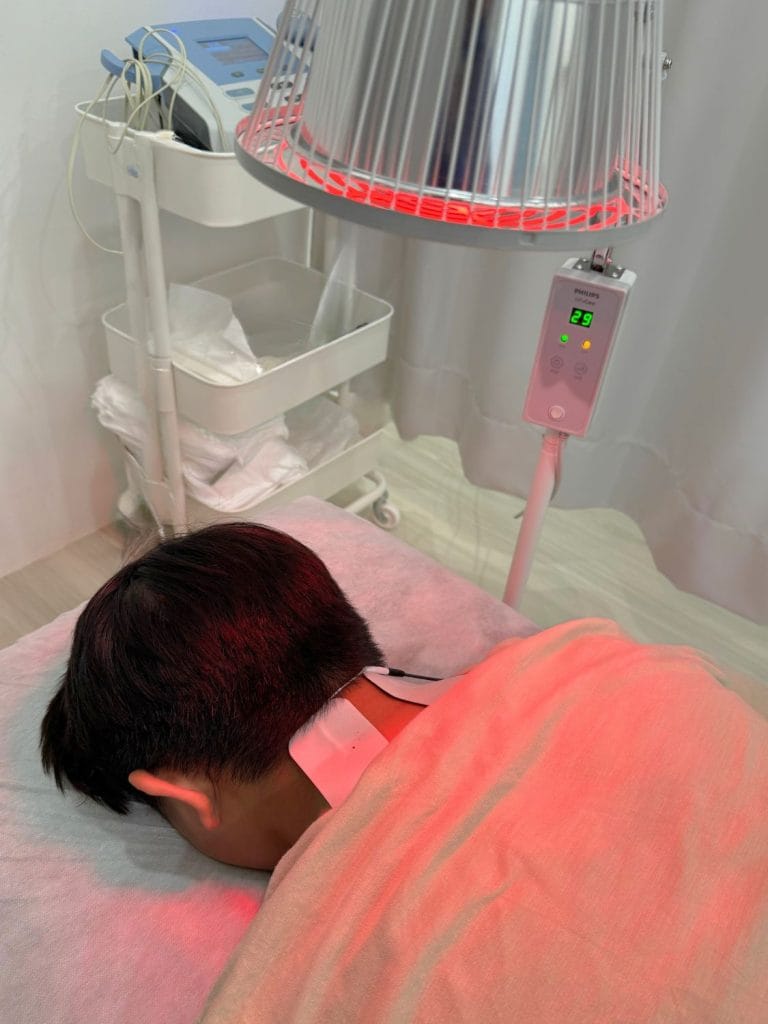
👉 Alternating cold & heat therapy to reduce inflammation and muscle spasm
👉 Gentle ROM exercises for neck and upper limb
2. Recovery Phase
👉 Isometric neck strengthening
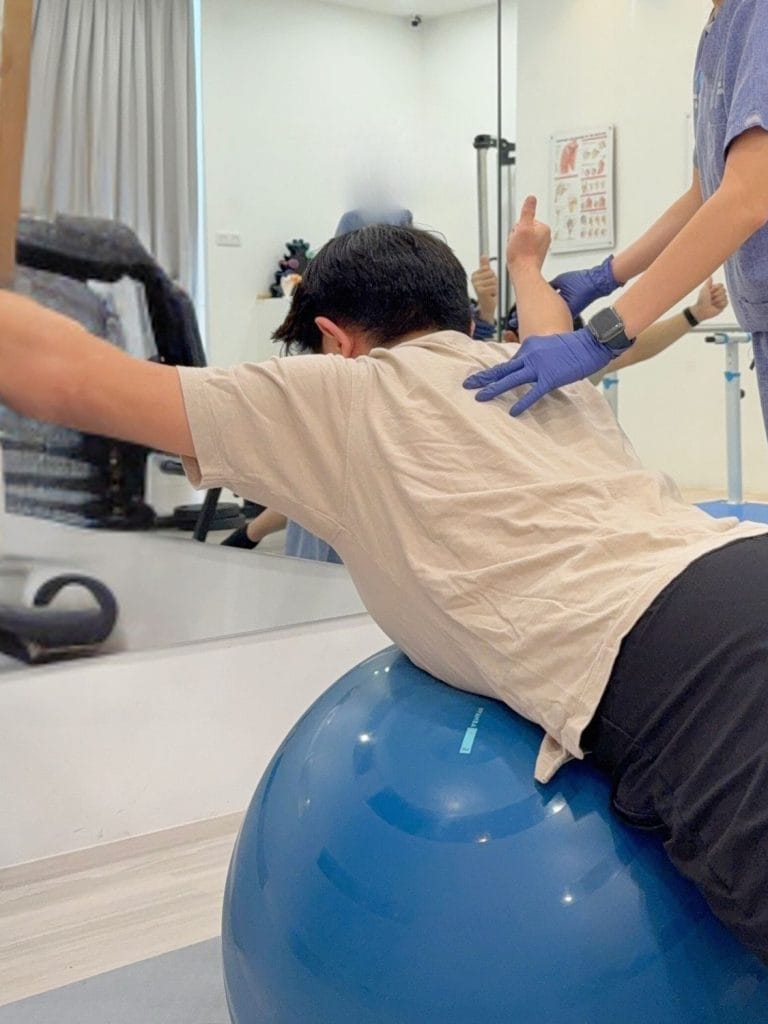
👉 Scapular stabilization
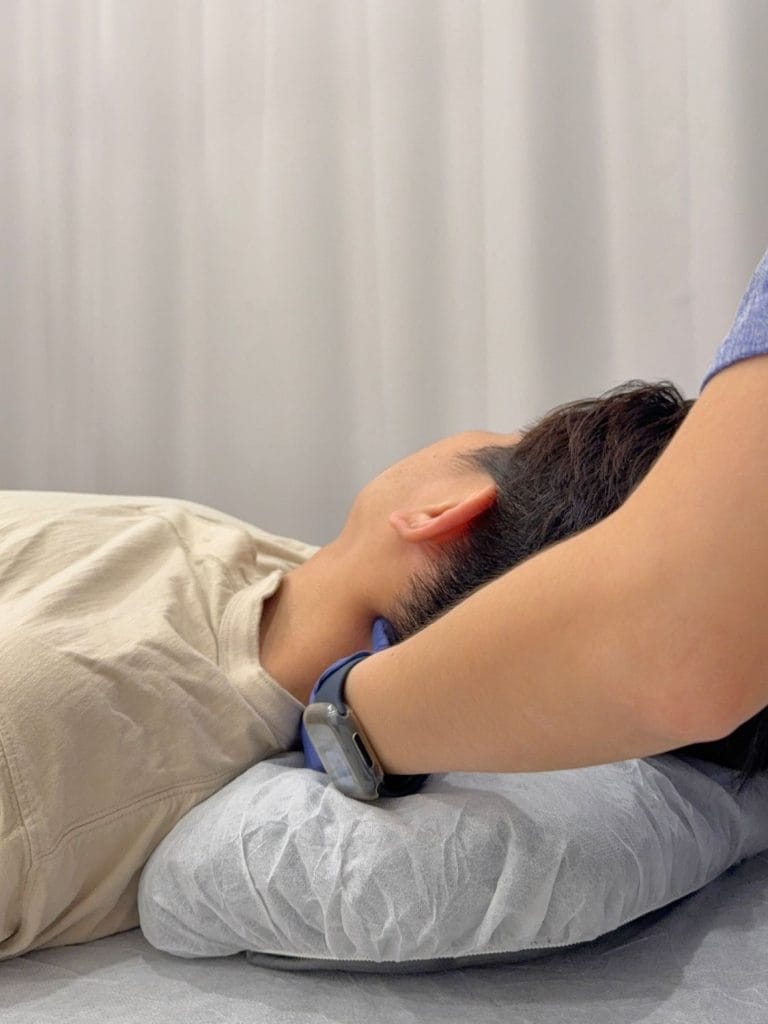
👉 Deep neck flexor activation
3. Functional Phase
👉 Balance & proprioception training
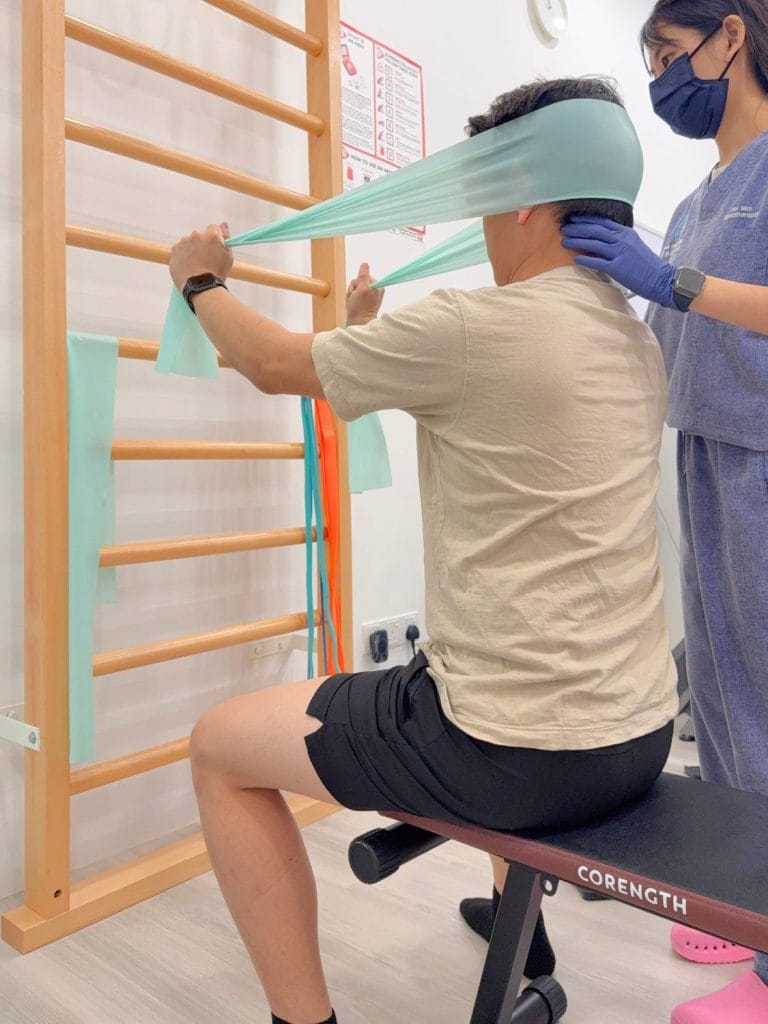
👉 Dynamic resistance training
👉 Soft tissue release
👉 Neural mobilization
6️⃣ Treatment
👉 Conservative management following the physiotherapy progression above
👉 Surgical indications:
🔹 Progressive neurological deficits
🔹 No improvement after 3–6 months of conservative care
🔹 Severe slippage with spinal cord compression
7️⃣ Key Tips
✅ Stage-based rehabilitation: acute (decompression) → recovery (strength & control) → functional integration
✅ Self-management: simple isometric exercises and hot/cold therapy at home
✅ Regular reassessment: monitor ROM, strength, and pain (VAS) monthly
Case Study 👨
A 35-year-old male office worker with prolonged sitting habits and frequent neck twisting presented with severe pain during neck extension, along with numbness in the right hand.
MRI findings: C5 spondylolisthesis Grade I (≤25%)
Rehabilitation Phase (3–6 weeks):
Mechanical traction (3x/week, 10–15 mins)
Isometric neck & deep neck flexor training
Scapular stabilization + balance training
Ultrasound + functional electrical stimulation for neural recovery
Functional Phase (7–12 weeks):
Dynamic resistance training (multi-directional bands)
Strength training
Neural gliding techniques
Hock Physiotherapy
…
#physiotherapy #rehabilitation #neckpain #spondylolisthesis #radiculopathy