What does it mean?
In simple terms, it refers to age-related cervical spine degeneration that leads to cervical myelopathy. Due to prolonged pain, reduced activity, or inadequate treatment, it may further result in multi-system functional decline.
👉 Example: Cervical condition → pain/weakness → reduced activity → muscle & joint complications
1️⃣ Types of Secondary Complications
Musculoskeletal System: Disuse muscle atrophy / joint stiffness & contractures / osteoporosis
Neurological System: Gait disturbance / impaired balance / neurogenic bladder & bowel
Metabolic & Circulatory System: Deep vein thrombosis (DVT) / pressure sores / reduced cardiopulmonary function
Psychological & Social Function: Depression / anxiety / social isolation
2️⃣ Common Causes
👉 Direct factors: Spinal cord compression (leading to lower limb weakness and sensory changes) and chronic pain causing reduced activity
👉 Indirect factors: Lack of early rehabilitation, poor nutrition, improper caregiving
3️⃣ Prevention
👉 Early intervention: Regular MRI monitoring, early cervical stabilization exercises
👉 Targeted exercise: Bed exercises (ankle pumps, straight leg raises); gait and resistance training during recovery
👉 Supportive aids: Cervical collar, walking aids; home environment safety modifications
👉 Nutrition & mental health: High-protein diet, psychological support, group rehabilitation
4️⃣ Treatment Approaches
👉 Medical management: Surgical decompression (anterior/posterior) and medication (NSAIDs, neurotrophic agents)
👉 Physiotherapy: Neural mobilization, functional electrical stimulation, infrared/ultrasound to improve circulation
👉 Rehabilitation training: Passive joint mobilization, balance training (e.g., balance pads or VR-assisted training)
👉 Multidisciplinary care: Orthopedic, neurology, and nutrition teams working together for individualized care
5️⃣ Key Points
✅ Golden window: Starting rehabilitation within 3 months of diagnosis can significantly reduce complications
✅ Caregiver education: Proper handling techniques (e.g., log rolling), passive joint movement techniques
✅ Long-term follow-up: Reassess muscle strength and balance every 3 months and adjust the plan accordingly
Summary
Effective management requires both prevention and treatment. Breaking the cycle of
“spinal cord compression → reduced activity → systemic decline” early is the key 🌟
Case Sharing 👴
An 80-year-old gentleman presented with sudden neck pain and weakness in both hands. After hospital assessment, he was diagnosed with:
➡️ Cervical spinal cord edema causing severe neck pain and urinary complications
➡️ Lower limb stiffness and weakness leading to balance impairment and wheelchair dependence
➡️ Reduced activity resulting in muscle atrophy and joint stiffness
At his worst, he required assistance even to sit up. With a personalized rehabilitation program, we gradually helped him achieve:
✅ Acute phase: Cervical traction to relieve nerve compression + pain management + deep cervical muscle activation for stability
✅ Post-discharge rehabilitation: Able to walk with a cane
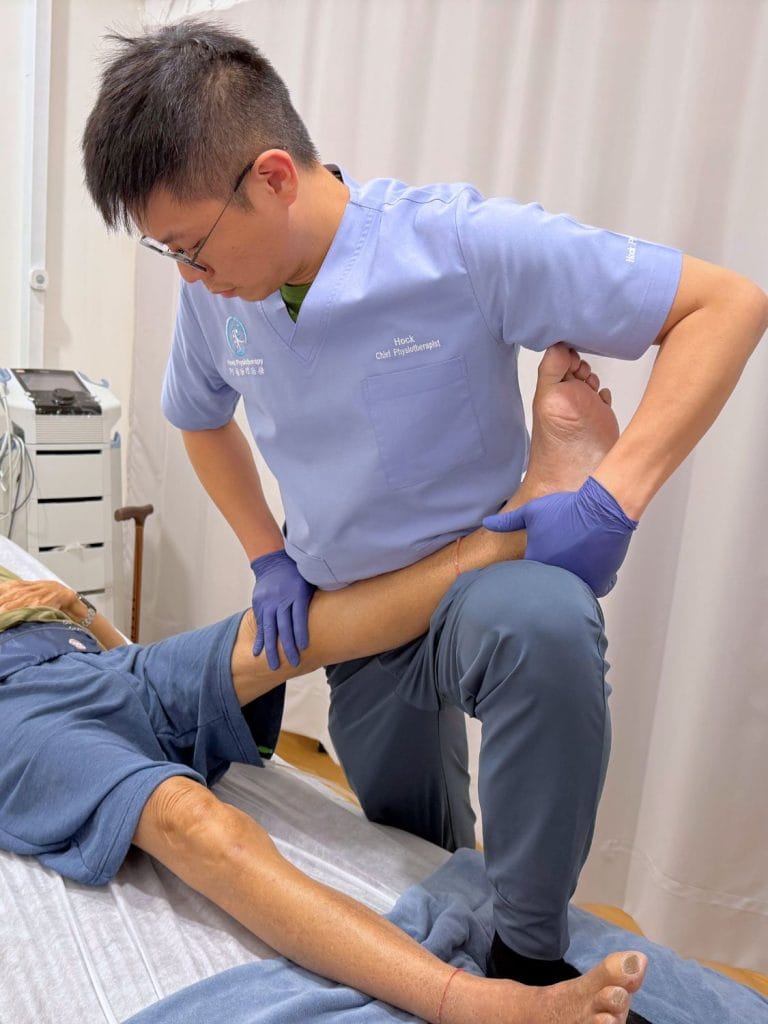
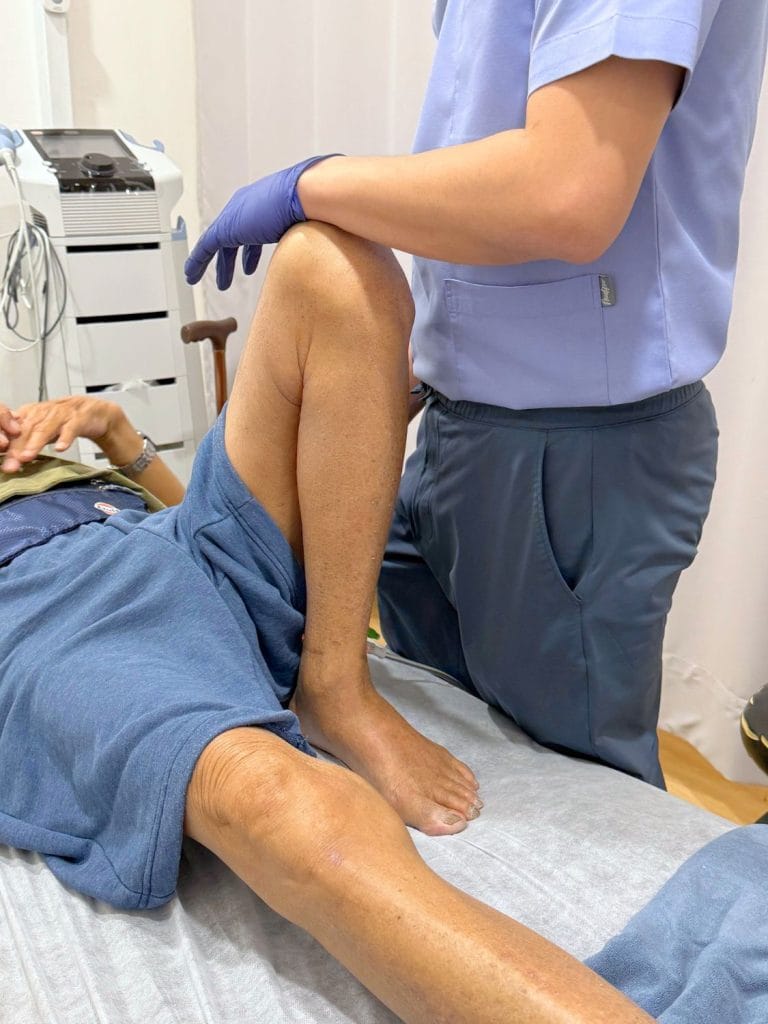
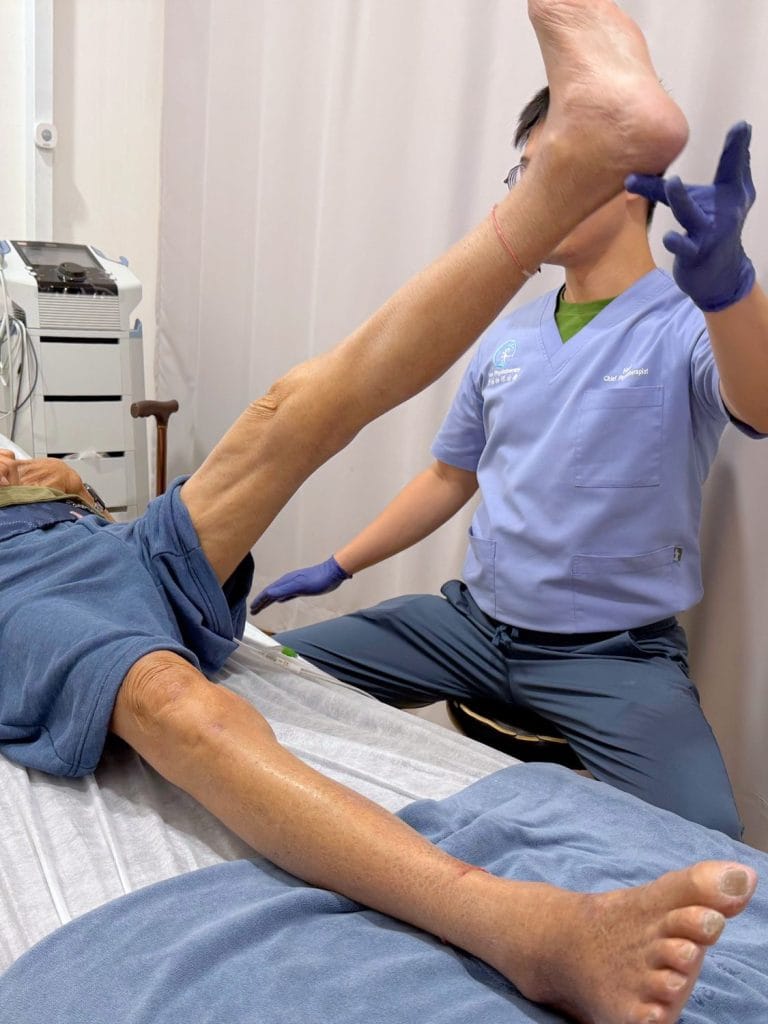
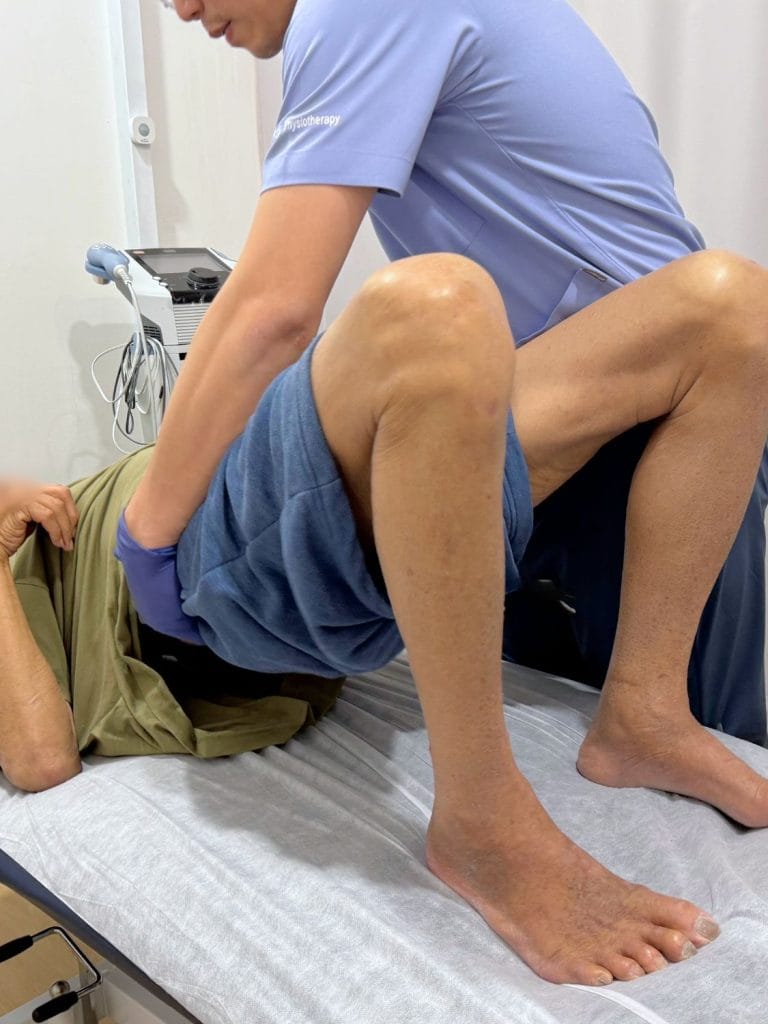
🔹 Hip & knee joint mobilization to restore mobility
🔹 Lower limb strengthening (bed-based + standing)
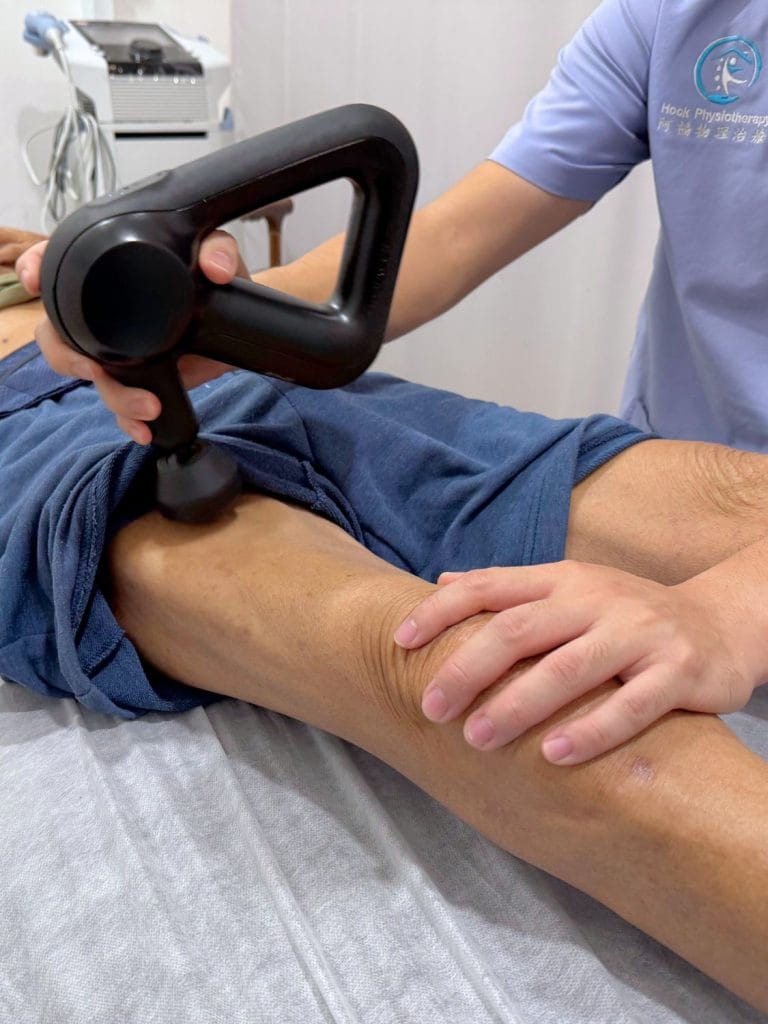
🔹 Massage gun therapy to reduce stiffness
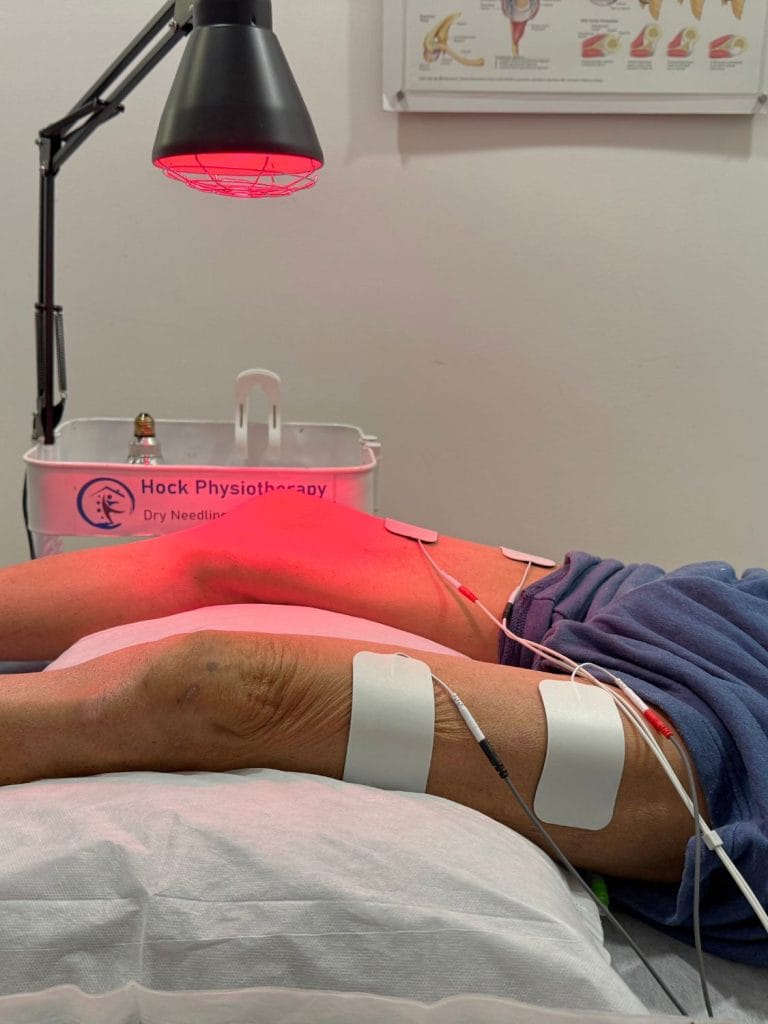
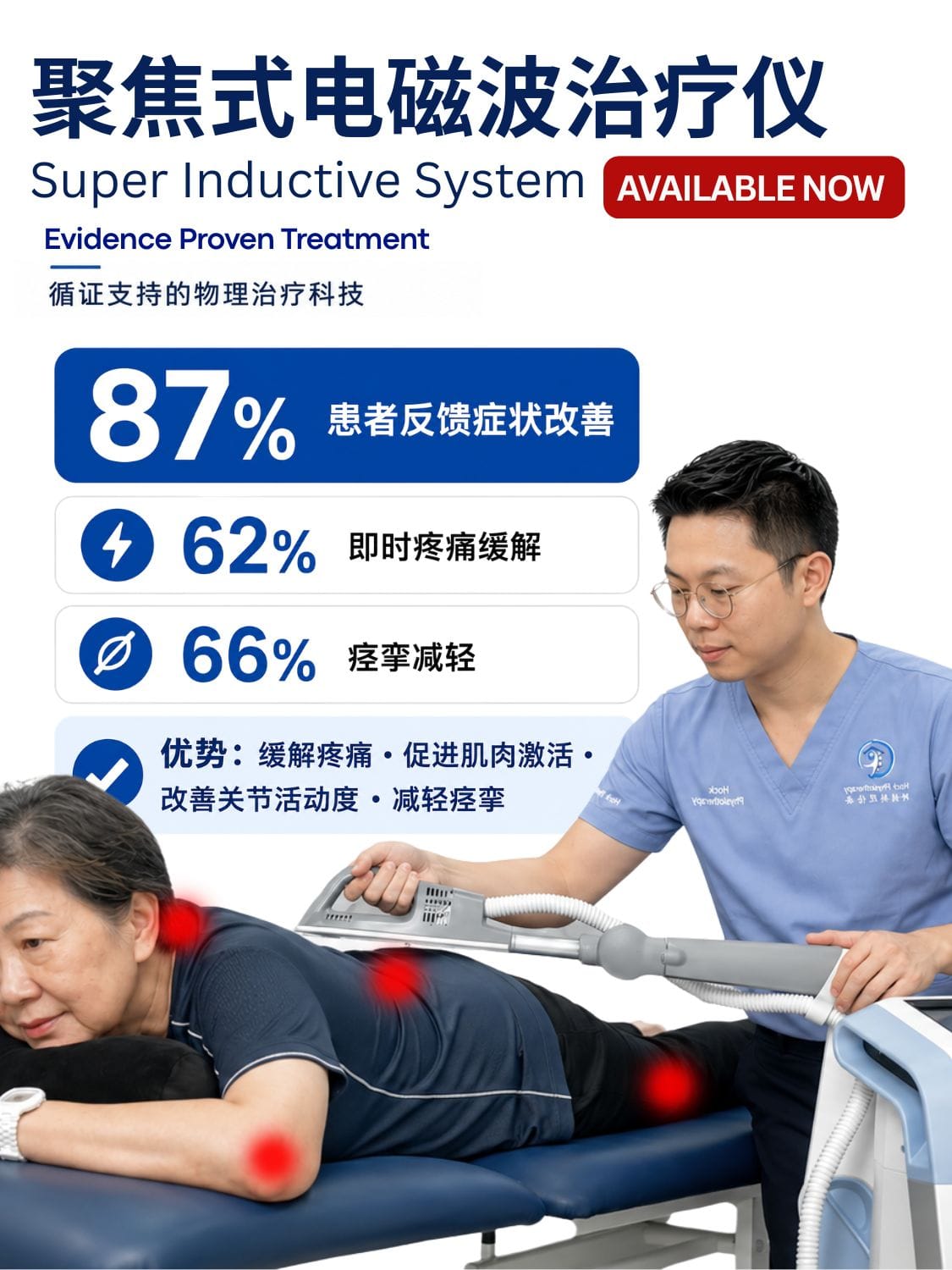
🔹 Electrical stimulation + infrared therapy to activate weakened quadriceps and gluteal muscles
Hock Physiotherapy
#physiotherapy #PenangRecovery #rehabilitation #myelopathy #neckpain #degeneration #spondylosis #butterworthphysio #bmphysio